
The BBE Best: Our Top Award-Winning Architect for Custom Homes, Heritage & Commercial is JOST Architects (2026)

Jost Architects clinches the top spot in our 2026 BBE Best List
The BBE Best 2026 list has run the scale ruler over Australia’s preeminent architectural practices from coast to coast. So it’s fitting that this year’s top pick for BBE’s Best Architectural Practice, long-standing Australian icon JOST Architects, actually spans two coasts: Melbourne and the Sunshine Coast.
The practice consistently ranks among Australia’s premiere architectural firms, specialising in custom residential homes, heritage renovations and commercial fitouts. Led by Principal Patrick Jost, this award-winning practice is recognised for combining the very best in contemporary design with top commercial acumen, to deliver high-value projects across Victoria and the Sunshine Coast.
Established by architect Patrick Jost over two decades ago, the firm’s grown from a collection of private residential commissions into a full-scope practice with a portfolio spanning custom homes, apartment buildings, commercial fitouts, retail spaces and adaptive reuse projects. Operating across Melbourne, coastal Victoria, regional New South Wales and the Sunshine Coast, JOST Architects has consistently produced some of the most considered contemporary architecture in Australia. Earning an enviable reputation for combining strong design capability with commercial acumen, deep local knowledge and a professional ethos that keeps the principal involved from first sketch to final handover.
This is what makes JOST Architects our top choice. And the top choice for clients who want not just an architect but a true design partner. But one who takes the time to understand the brief, works within real budgets and delivers a beautifully considered architectural and design solution that will still feel right in twenty years. It’s what makes JOST Architects the best in the business.
Setting the standard: boutique by design, not by default

Patrick Jost, Principal, JOST Architects
JOST Architects is a deliberately boutique practice. That word gets thrown around a lot in professional services, but here it has genuine meaning. The practice maintains a lean team structure so that Patrick Jost, as the director and senior designer, can stay closely involved with every project. At any one time, the studio limits its projects to twelve to fifteen active commissions across different stages, from initial concept through to construction administration and post-contract works. That structure is a conscious choice.
Patrick Jost spent years working across small, medium and large firms, including time at Nation Fender Katsalidis during Melbourne’s building boom in the late 1990s, where he worked on large-scale projects and developed a strong technical and design foundation. What he took from that experience, alongside the craft, was an understanding of what gets lost in scale. In larger practices, the principal’s eye and the client relationship can become diluted across layers of management. Projects get handed down the seniority chain. The design vision that sold the client on the practice might be delivered by someone several steps removed from it.
At JOST Architects, the person you meet at the first briefing is the person shaping your project. That intimacy with work is not incidental, it’s built into the model.
Full-Scope Services Across Every Project Stage
Many clients, particularly those approaching a significant project for the first time, don’t fully appreciate what it means to have a single firm carry a project from concept through to completion. JOST Architects offers the full range of architectural services: concept design, schematic design, design development, town planning documentation and permit applications, construction documentation, tendering, contract administration and post-contract works. The practice also extends its services into interior design, ensuring that the spatial logic of the architecture flows through into the finer details of how a space is finished and used.
This matters for several reasons. First, it reduces the complexity and communication risk that comes with handover between separate consultants. When the same team that conceived the design is also managing the builder through construction, there is a deeper understanding of design intent and fewer opportunities for things to get lost in translation. Second, it gives clients a cleaner contractual and professional relationship. There is a single point of accountability and the practice’s reputation is tied to the finished product, not just the drawings.
For clients planning new residential builds, renovations and extensions, apartment developments, commercial fitouts, or any project requiring town planning approval, JOST Architects can carry the work from start to finish.
For clients considering coastal projects in Victoria, New South Wales, or Queensland, the practice’s geographic flexibility delivers projects across different states and landscapes, from coastal to bush to inner-suburban contexts. JOST also uses 3D modelling and visualisation tools throughout the design process, which means clients can see and respond to their project in three dimensions before a single thing is built. For anyone who has ever struggled to read a floor plan, this matters more than it might sound.
A design philosophy for how people live
Patrick Jost has said clearly that he is not interested in trends. Good design, in his view, goes the distance. That is a useful frame for understanding what the practice produces and why the work tends to age well.
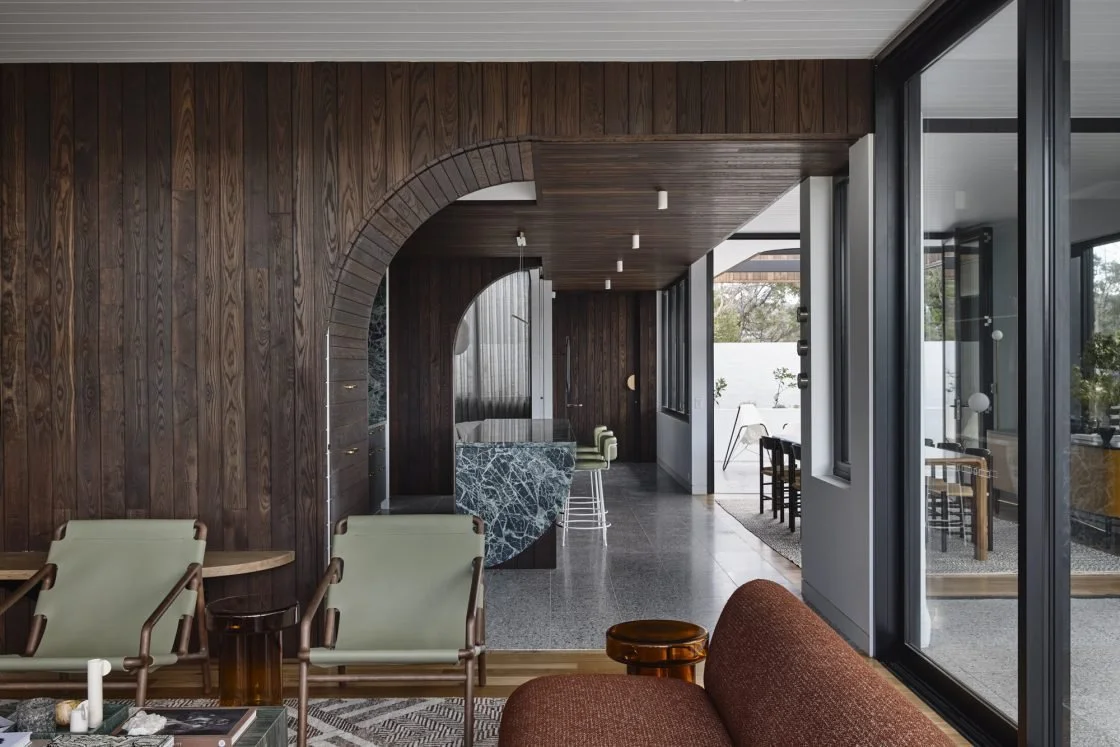
The design approach at JOST Architects starts from a deceptively simple premise: a building should work for the people who use it every day, not just look good in photographs. There is a consistent interest in how a floor plan actually functions under ordinary conditions, how a kitchen performs on a busy weekday morning rather than just at a dinner party, how natural light moves through a space across the seasons and how indoor and outdoor areas connect in ways that genuinely change how a home feels to live in.
That last point matters particularly in the Australian context. We spend more of our lives outdoors than almost any other culture on earth and JOST Architects designs with that in mind. The best projects from the practice treat the entire site as a living space. Floor levels continue from inside to out, materials wrap across the threshold and sightlines are composed so there is always a garden or a courtyard to draw the eye. The result is buildings that feel larger and more generous than their footprint suggests.
There is also a strong Modernist sensibility at the core of the practice’s aesthetic, with clear references to Bauhaus and pure Modernism as touchstones. That means clean geometry, honest materials, functional rigour and a resistance to decoration for its own sake. But this is not cold architecture. Spatial volume is a recurring tool: well-placed skylights, double-height voids and internal courtyards used as light sources and breathing space in dense urban sites. When you step into a JOST-designed home, the first thing most people notice is the quality of the light.
The BBE Fast 5:
Five questions in five minutes for Patrick Jost
-
Architectural fees are one of the first things clients ask about, and they deserve a straight answer.
JOST Architects structures fees in stages that align with the project lifecycle: concept design, design development, town planning, documentation, and construction administration. Each stage has a defined scope, so you know what you’re paying for before work begins on that phase. This also means you’re not committed to the full fee upfront. Clients can make an informed decision at each stage before proceeding to the next.
The fee itself is based on the scale and complexity of the project rather than a fixed percentage of whatever the builder ends up quoting. That matters because a percentage model can create a misalignment of interests: the more the build costs, the more the architect earns. JOST Architects’ approach keeps the focus where it should be, on delivering the best possible outcome within your budget.
For prospective clients, the most useful first step is a direct conversation about your project. Budget range, project type and likely scope all inform the fee structure, and JOST Architects is straightforward about this from the outset.
-
It depends on the project, but for anything complex, the difference is significant and worth understanding before you commit to either.
In Victoria, only practices registered with the Architects Registration Board of Victoria (ARBV) can legally use the title “architect.” That registration requires a recognised degree, years of supervised experience, and a professional exam. It also comes with mandatory professional indemnity insurance, which matters if something goes wrong during design or construction. A draftsperson or unregistered building designer carries none of that professional accountability.
For straightforward residential alterations or small additions, a building designer may be perfectly adequate. But if your project involves a heritage overlay, a complex planning permit, a multi-dwelling development, a commercial fitout, or a build with a budget where getting the documentation wrong would be costly, a registered architect is the lower-risk choice. The fee premium is real, but so is the exposure you take on without one.
JOST Architects is ARBV-registered and a member of the Australian Institute of Architects. For clients on the Sunshine Coast, the practice also has the professional standing and local knowledge to navigate Queensland’s distinct planning and building requirements.
-
Planning is genuinely one of the harder parts of any project in Melbourne’s inner suburbs, and heritage overlays in particular can slow things down significantly if the application isn’t put together well.
JOST Architects has worked extensively within Melbourne’s heritage precincts, including projects across St Kilda, Elwood, Brighton and other bayside and inner-south suburbs governed by the City of Port Phillip and Bayside City Council. The practice understands what these councils are looking for and how to frame a submission that addresses their concerns before they become objections. That means heritage impact assessments that are substantive rather than perfunctory, design responses that demonstrate genuine engagement with the original building’s character, and documentation that gives the planning officer what they need to approve rather than request further information.
The design philosophy here matters too. JOST Architects doesn’t try to make new additions look old, which rarely fools anyone and often makes for worse architecture. Instead, the approach is to create a clear and honest distinction between original fabric and new work, using contemporary materials and forms that respect the existing building without mimicking it. This reads well to heritage planners and tends to produce better outcomes through the permit process.
For projects on the Sunshine Coast, the same principle applies: designing to the local planning framework from day one rather than retrofitting compliance after the design is done.
-
It’s a fair question and one that deserves a direct answer rather than a sales pitch.
The short version is: for a significant project, yes, almost always. But the returns come in different forms and it’s worth being clear about each.
The most direct financial return is at resale. Architect-designed homes in Melbourne’s competitive inner-city and bayside markets consistently attract a premium over comparable builder-spec properties. Buyers in these markets are increasingly design-literate, and a home that has been properly resolved, spatially, materially and in terms of its connection to the site, stands out. JOST Architects’ portfolio includes projects that have delivered strong resale results precisely because the design quality is visible and verifiable.
The less obvious return is in construction efficiency. A well-documented set of architectural drawings gives builders far less room to build contingencies into their tender pricing. Vague documentation is expensive: builders price the risk of ambiguity, and that cost falls on the client. JOST Architects’ rigour at the documentation stage routinely saves clients money during construction by reducing variations and keeping the build on track.
Then there’s the running cost argument. Homes designed with passive thermal performance in mind, correct orientation, considered shading, good insulation and natural ventilation, cost less to heat and cool over their lifetime. In a market where energy costs are a growing concern, that has real financial value beyond the build itself.
And finally, there’s the less quantifiable but very real value of living or working in a space that has actually been designed for you. That’s harder to put a dollar figure on, but clients who’ve been through the process tend to feel it daily.
-
This is one of the most common concerns clients have when approaching any professional services firm, and it’s completely legitimate to ask.
At JOST Architects, I’m the sole director and senior designer. I’m directly involved in every project the practice takes on, from the initial briefing through to the critical decisions made during construction. This is not incidental. It’s a deliberate consequence of how the practice is structured and how many projects it takes on at any one time.
The practice carries around twelve to fifteen active projects across different stages at any point. That’s a considered cap, not a coincidence. It exists specifically to maintain the level of involvement that makes JOST Architects different from a larger firm where the principal might be more of a figurehead than a day-to-day designer.
There are other staff involved in the work, a project architect and typically a graduate. But the design direction, the key site decisions and the client relationship sit with me. The person you meet at the first briefing is the person who will be making the calls that matter throughout your project.
If direct access to the senior designer is important to you, and for most clients undertaking a significant project it should be, JOST Architects is structured to deliver exactly that.
Heritage and Modernity: A particular Melbourne skill
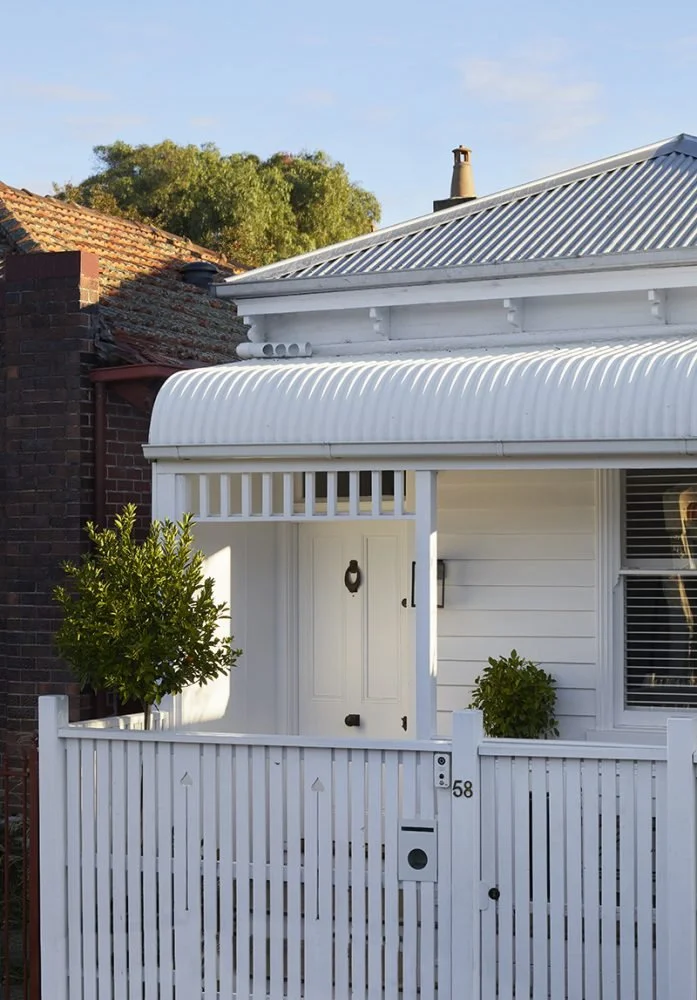
Melbourne is a city of layers. Victorian and Edwardian terraces sit beside mid-century flats, which sit beside contemporary insertions, often on the same street. For a significant proportion of the residential work available in suburbs like St Kilda, Elwood, Brighton and Kew, any serious renovation or extension will involve navigating a heritage overlay.
This is where many projects get into difficulty. The councils governing Melbourne’s inner south and bayside suburbs, including the City of Port Phillip and Bayside City Council, apply heritage controls that can be complex, sometimes opaque and occasionally contentious. An architect without deep experience in this territory can cost clients time and money at the planning stage, or produce work that satisfies the permit but misses the point of the original building.
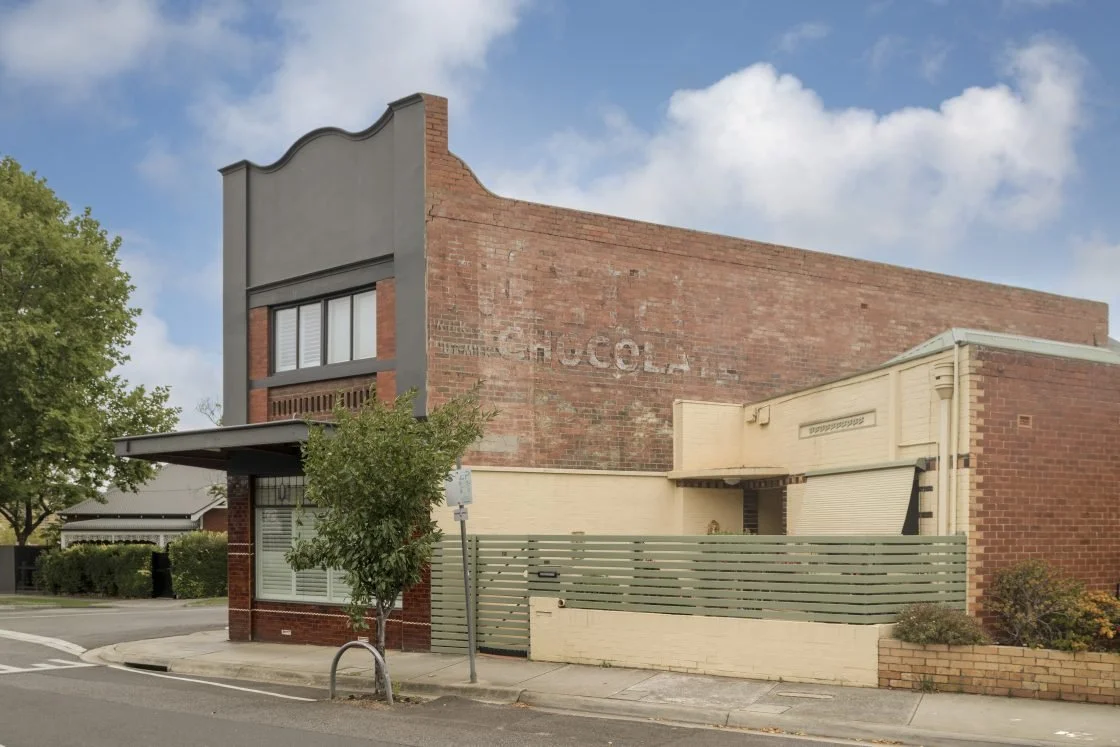
JOST Architects brings a well-developed approach to heritage work. The practice does not attempt to replicate what already exists, which rarely works and tends to produce buildings that look neither genuinely old nor confidently new. Instead, the work creates a clear and honest distinction between original fabric and contemporary intervention. Old brickwork and ornate plasterwork are treated with respect; new additions use modern materials and clean geometry that reads as of its own time. The result is buildings with a narrative, where both eras are allowed to make their case without either apologising for the other.
For clients considering a renovation or extension on a heritage-listed property or within an overlay precinct, this expertise is one of the most practically valuable things JOST Architects brings to the table.
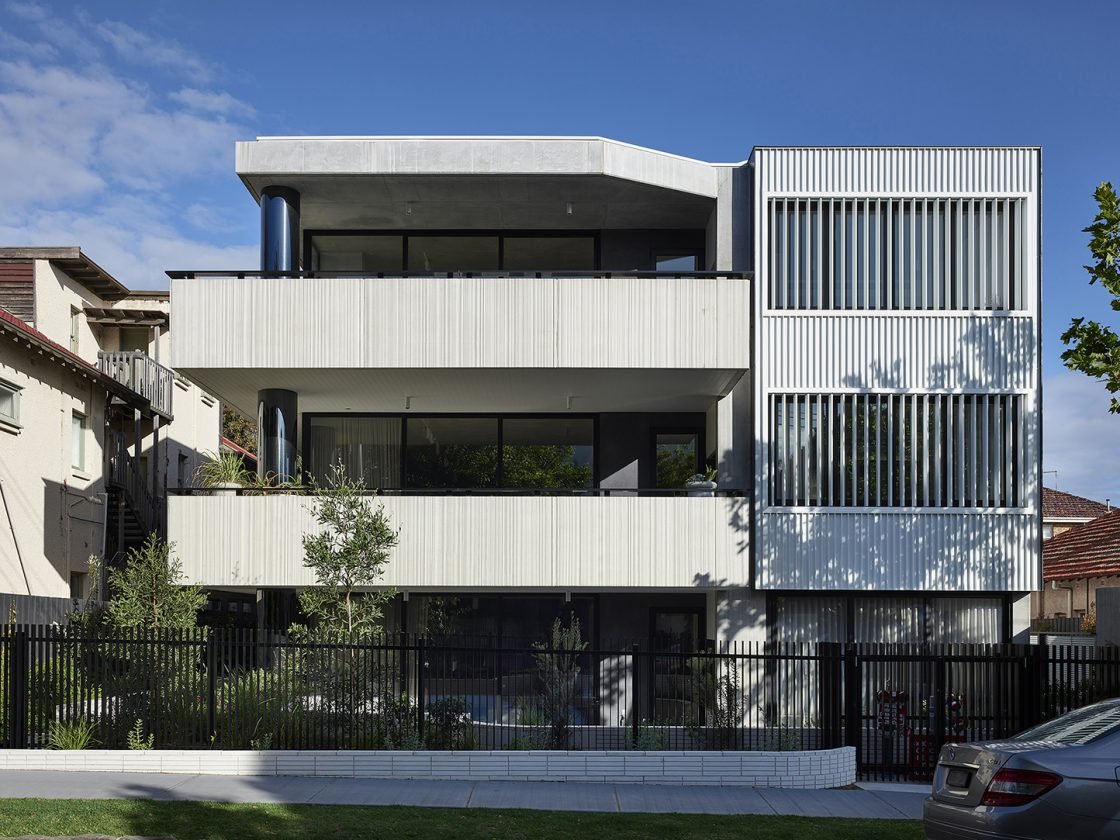
Multi-Residential: Apartments that feel more like homes
Much of Melbourne’s multi-residential development over the past decade has optimised for density at the expense of the people who end up living in the buildings. Inadequate cross-ventilation, token balconies and floor plans that feel more like hotel rooms than homes are common results when the brief is written purely around yield.
JOST Architects approaches multi-residential work from the other direction. The practice’s apartment and townhouse projects treat each dwelling as an individual home that happens to share a building: genuine natural light in every unit, private outdoor spaces that are actually usable, acoustic separation that holds up under real conditions and floor plans that give residents flexibility in how they live.
For developers, this translates directly to market positioning. Architect-designed projects that exceed minimum standards attract buyers willing to pay for the difference and hold their value better in a resale market that has become increasingly discerning.
A portfolio built across diverse project types
The diversity of JOST Architects’ completed work speaks to the breadth of capability in the practice, spanning residential, commercial, retail and industrial typologies.
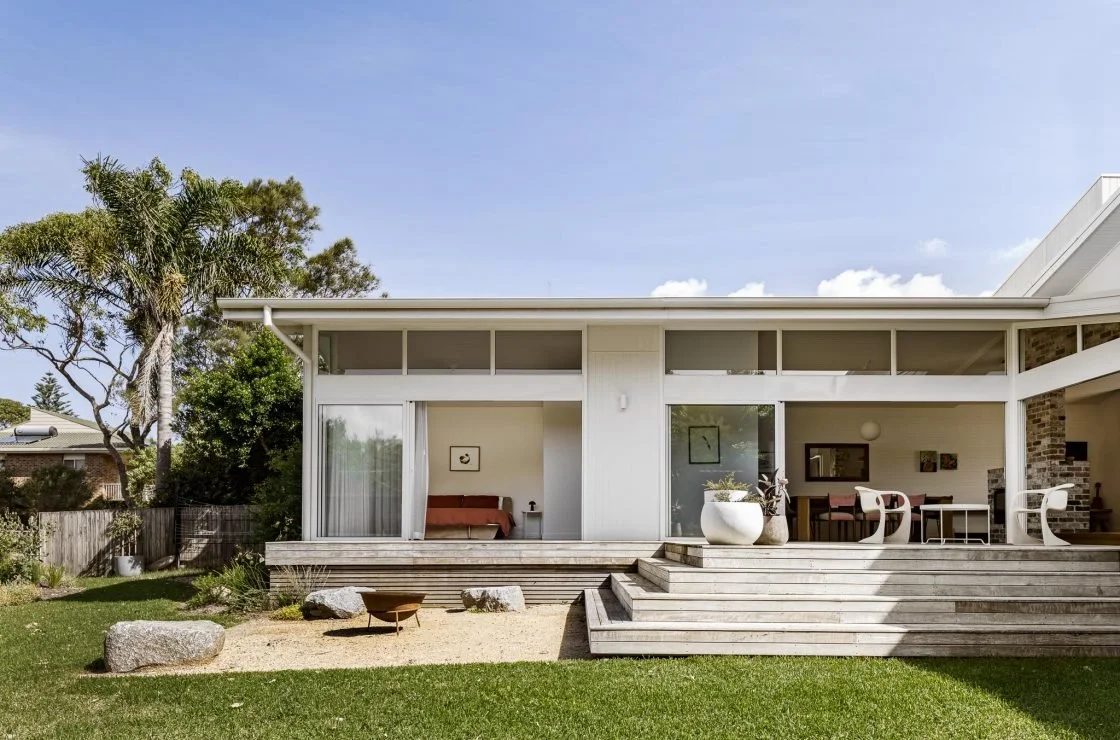
On the residential side, the practice has delivered inner-city house renovations and extensions across Elwood, Brighton, St Kilda, Kew East and Glen Iris, as well as new homes on coastal and rural sites including projects on the New South Wales South Coast and in the Macedon Ranges. Apartment developments, including multi-unit projects in St Kilda, demonstrate the practice’s ability to navigate the additional complexity of town planning, multi-ownership structures and the higher construction specifications apartment projects demand.
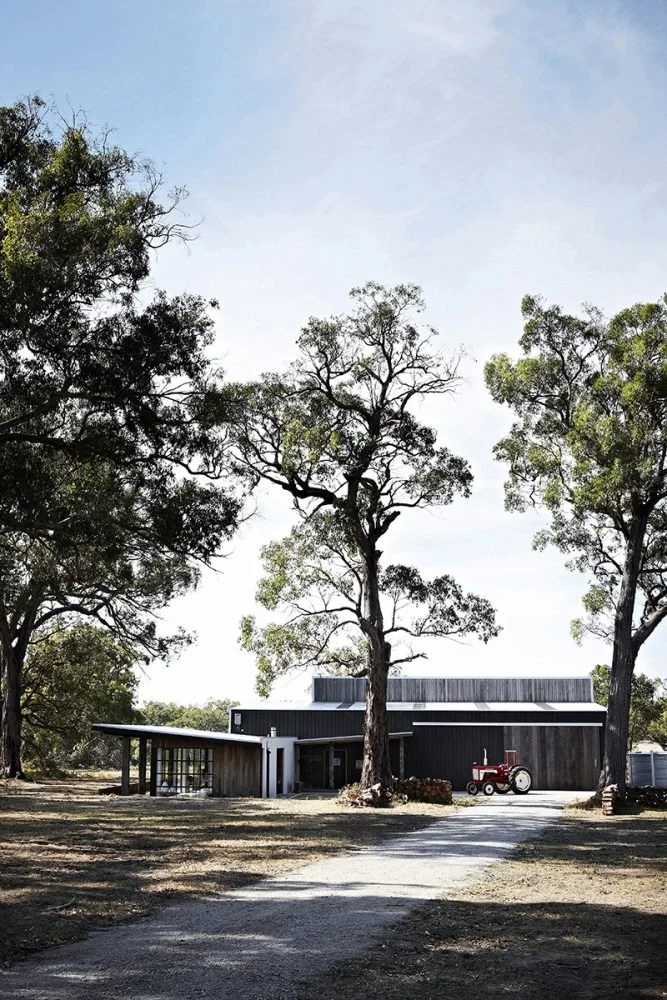
The commercial and industrial work is equally varied. The Uber Shed projects attracted significant attention on architectural platforms, demonstrating a willingness to take on unconventional briefs with intelligence and wit. Hospitality work, including involvement in the refit of The George Hotel in South Melbourne, shows a practical fluency in the commercial sector. The range matters: JOST Architects does not have a single project type and a single response to it.
Sustainability as structure
Sustainability in Australian architecture has moved well beyond solar panels and water tanks, though those remain part of the picture. The more sophisticated conversation is about how a building is designed to perform: how it manages heat gain and loss, how it works with the local climate rather than against it, how it creates comfortable internal conditions without excessive reliance on mechanical systems.
JOST Architects has a clear position on this. Sustainable outcomes are a core value of the practice and crucially, the approach starts from first principles rather than as an add-on. Passive thermal design, which involves careful attention to orientation, insulation, window placement, shading and natural ventilation, is built into the design process from the earliest stages. Sustainable systems are then integrated into the building fabric so that they become part of the architecture rather than visible technical additions.
The result is buildings that are more comfortable to live in, cheaper to run and more durable over their lifespan. For residential clients, this translates to lower energy bills and better thermal performance across Melbourne’s variable seasons. For commercial clients, it means spaces that support staff wellbeing and meet the increasingly stringent sustainability expectations that tenants and investors now apply to commercial property. For clients thinking about their project through the lens of long-term value rather than just upfront cost, this approach to sustainable design is one of the more compelling reasons to engage an architect with this discipline.
Award-winning architectural design
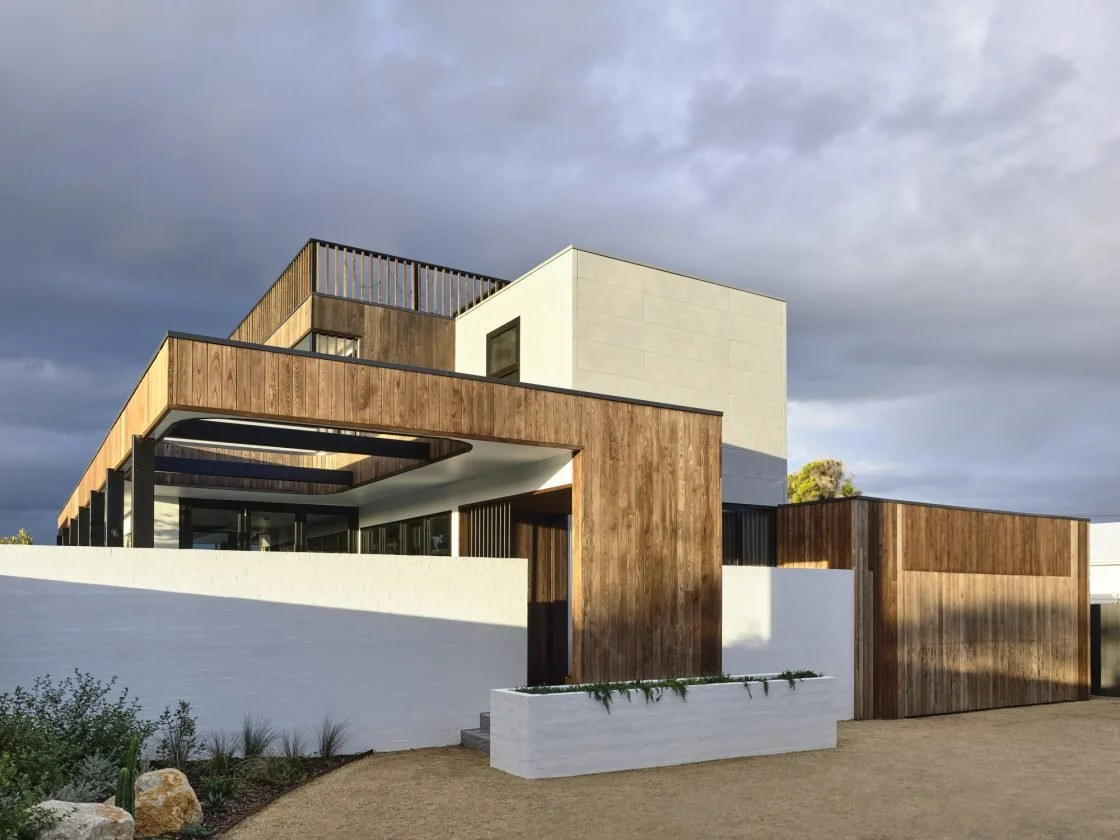
Since Patrick Jost founded the practice in 2008, Jost Architects has built a consistent record of industry recognition across awards, architecture publications and consumer lifestyle media. The work spans residential, multi-residential and commercial typologies and the recognition reflects that range.
Industry Awards
In residential design, Jost Architects has been recognised multiple times by the City of Port Phillip Design & Development Awards: in the Sustainability & Multi-Residential category,. The practice was also a celebrated in the Bayside Built Environment Awards Heritage Renovation or Restoration category.
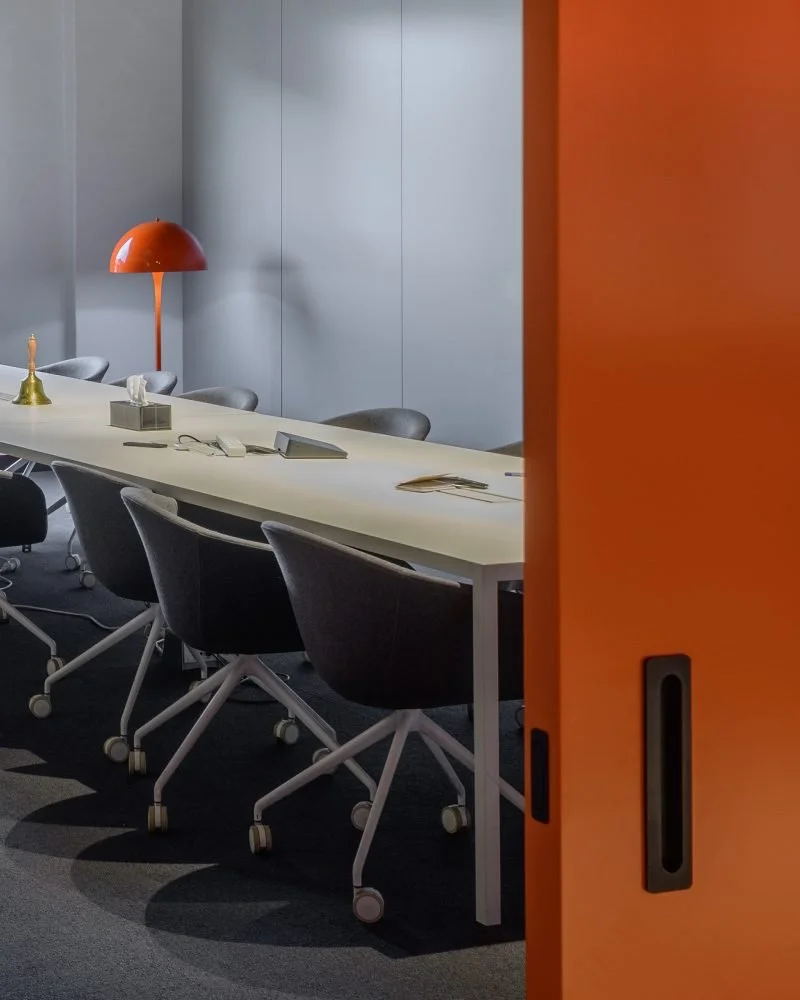
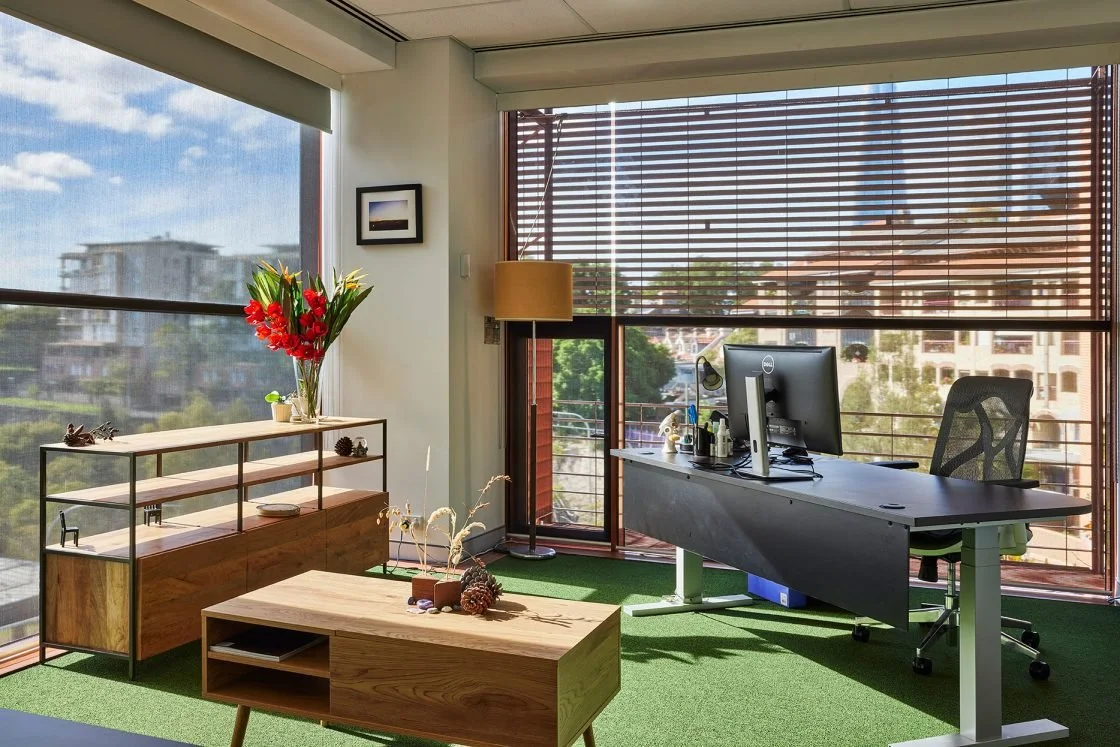
While amongst JOST Architect’s commercial design award-recognition, a standout is the practice’s groundreaking HERO Office fitout in Melbourne which has received numerous accolades over the past years. The project was recognised in the Workplace Design category at the Australian Interior Design Awards, in The Work Space category at the INDE.Awards, and in the Workplace (over 1,000 sqm) category at the Interior Design Excellence Awards (IDEA). The project transformed a neglected 1970s warehouse in Prahran into a purpose-built creative office for advertising agency HERO, centred on passive design, extensive solar generation and the client’s signature tangerine branding.
Architecture Publications
ArchDaily has published multiple Jost Architects projects, including the St Kilda Cottage House and Über Shed 2. With a global readership in the tens of millions, placement on ArchDaily is one of the most competitive markers of merit in architecture publishing.
Dwell has featured two projects: the Kew East House and the Mollymook Beach House. The Mollymook project, a mid-century beach shack renovation on the NSW South Coast, appeared in Dwell in November 2022.
Architizer has also featured the Sorrento Beach House, a thermally passive coastal residence on the Mornington Peninsula designed for dual use as a family holiday home and future retirement dwelling.
The practice was profiled in Hunting for George’s “Meet the Architect” series, with the Über Shed 2 also covered in a dedicated project feature. The shed, designed to house an extraordinary private collection including vintage cars, WWII jeeps, an Airstream bus and a cannon, has proven to be one of the practice’s most widely published projects internationally.
The HERO Office fitout was covered by Indesign Live, a leading Australian trade title for architecture and interiors, in a feature titled “From Rags to Riches: A Colourful, Heroic Workplace”.
Australian Lifestyle Press Coverage
Habitus Living, one of Australia’s most respected titles, has featured two Jost projects: the Sorrento Beach House and the Mollymook Beach House. House & Garden and Home Design magazine have both featured the Riversdale Kyneton, a heritage-listed Victorian gold-mine cottage in the Central Highlands that the practice extended with a sympathetic contemporary addition, a project that has been in the same family for six generations.
Sanctuary, Australia’s leading sustainable homes magazine, published a studio portrait featuring the Northcote Studio, a compact renovation that improved liveability through careful use of natural light and passive design without extending the building’s footprint.
The Local Project has covered multiple projects, including the Über Shed 2, Adela Apartments (in collaboration with Hecker Guthrie), the Riversdale Kyneton and the Sandringham Residence. The Adela Apartments project, a boutique apartment complex in Elwood designed for discerning buyers seeking low-maintenance, high-end living close to the foreshore, has also been featured on ArchDaily, Archello and ArchiPro.
Across all formats, awards juries, international architecture platforms and Australian consumer press, the practice’s work is consistently recognised for its contextual intelligence, passive design rigour and the quality of its built outcomes across a diverse range of project types and scales.
The BBE Bottom Line
The Australian architectural market is competitive and full of talented people. What separates JOST Architects in both Melbourne and the Sunshine Coast from many of its peers, is not just the quality of the design output, but the combination of factors that make the practice a quality, accountable and genuinely client-focused partner.
Starting a project with the right architect is the single most consequential decision in any building process. Everything that follows flows from the quality of the design work and the rigour of the documentation.
Direct principal involvement across every project, passive sustainable design from first principles, full-scope services from concept to completion, demonstrated skill with heritage overlays, breadth across project types and geographies and a design philosophy that prioritises enduring quality over short-term trend: these things add up to a practice that delivers more than drawings and permits. And that’s what makes JOST Architects our BBE Best in the biz.

The BBE Best List
The BBE Best List recognises the organisations we believe demonstrate an exceptional standard of quality, capability and reputation within their category. Our listings reflect considered editorial judgement informed by publicly available work, press coverage, trade awards, industry standing and direct discussions with each of the organisations listed. While some BBE Best organisations may have separate commercial relationships with BBE, these do not influence editorial selection or recognition.